

Where a dry freight body fits
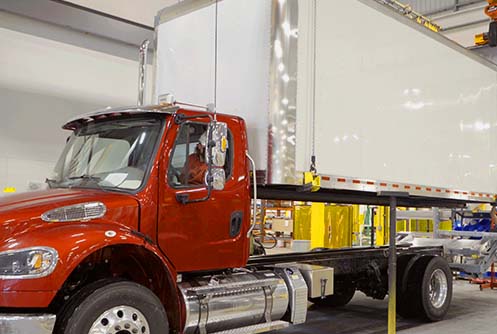
A dry freight (dry box) body is the workhorse of general freight: furniture, parcels, building materials, retail goods — anything that doesn’t need temperature control. Dry boxes are simpler, lighter, and easier to maintain than their refrigerated counterparts.
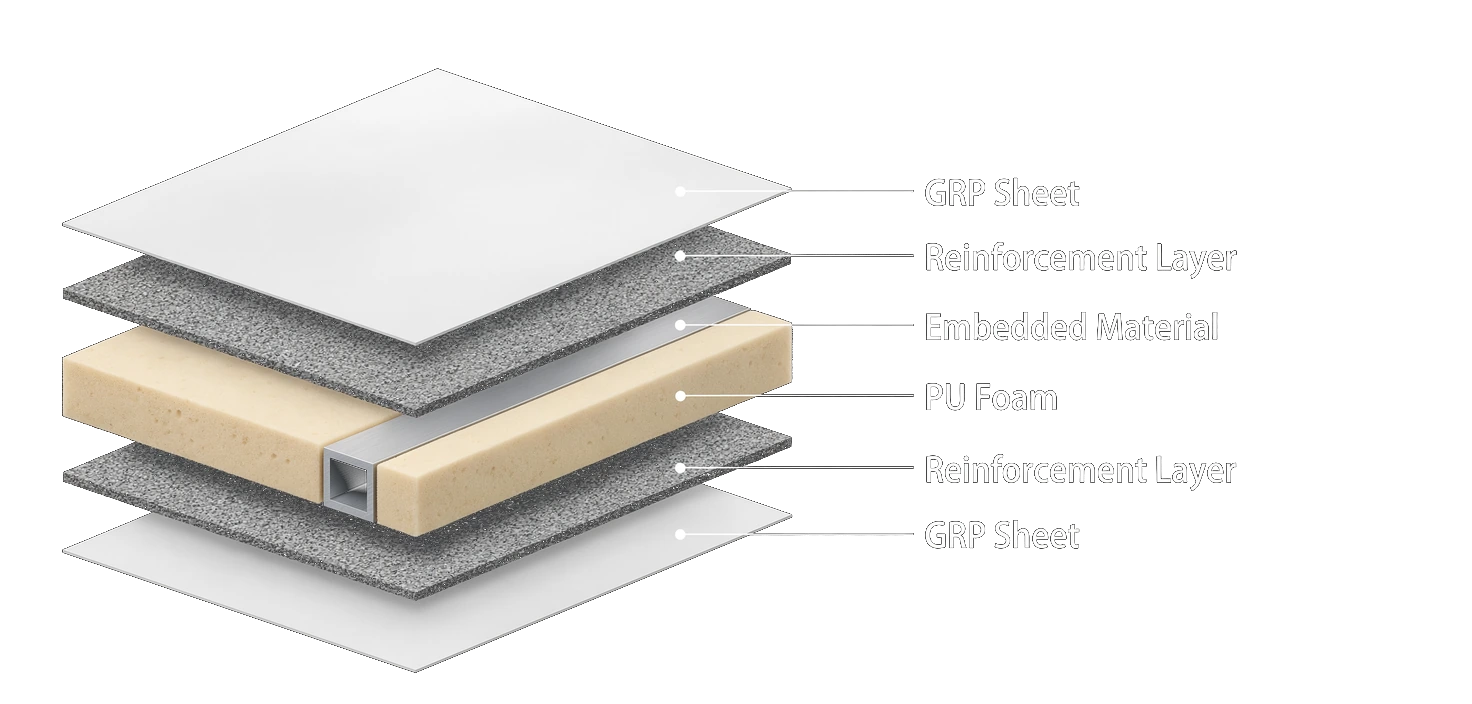
At Evermount, our dry freight bodies are built with 30 mm GRP sandwich panels with internal reinforcements, a 3/4-inch marine plywood floor with an anti-slip GRP top layer, a roll-up rear door, a powder-coated stainless-steel rear door frame, and a galvanized bolted sub-frame. Approximate weights run 780 to 1,700 kg depending on length (10 to 20 ft). Less weight in the body means more payload for your freight — and lower running costs over the life of the truck.
If your routes carry general cargo and your freight never needs to stay cold, a dry box is the straightforward choice.
When you need a refrigerated body
A refrigerated body is built around insulation. Our reefer bodies use insulated GRP panels, an XPS insulated floor with aluminum chequered plate and a drain for washouts, and an insulated roll-up door — all designed to help maintain interior temperatures across multi-stop delivery routes.
Refrigerated bodies make sense for food distribution, grocery and meal delivery, dairy, pharmaceuticals, and florals — any freight where a broken cold chain means spoiled product and lost money. The trade-off is weight and complexity: our reefer bodies run approximately 940 to 2,050 kg, heavier than equivalent dry boxes, and the refrigeration unit itself is a separate piece of equipment supplied by Evermount.
One thing to know upfront: at Evermount, the refrigeration unit is supplied by Evermount as well — either included in your quote or priced separately. We manufacture the insulated body, and the unit is matched to your temperature range and duty cycle.
The questions that settle it
Ask yourself these before you decide:
- Does any of your freight require temperature control — now or in the next few years? If yes, even occasionally, a reefer keeps those jobs on the table.
- How much does payload matter? Dry boxes are lighter. If you cube out before you weigh out, the difference matters less; if you haul dense freight, every kilogram counts.
- What does washdown look like? Reefer floors with drains handle regular washouts better — relevant for food-grade work.
- What’s the budget? Insulated bodies and refrigeration units cost more up front. Don’t pay for capability your routes will never use.
Can one body do both?
A refrigerated body can carry dry freight just fine — the insulation doesn’t get in the way. The reverse isn’t true: a dry box can’t safely carry temperature-sensitive goods. Some fleets run reefers across mixed routes for that flexibility, accepting the weight and cost penalty. For most general-freight operations, though, the dry box remains the practical pick.
Think about total cost, not just purchase price
A body is a long-term asset, so look past the sticker price. A lighter dry box can mean better fuel economy and more payload revenue over its life. A reefer costs more up front and needs the refrigeration unit maintained, but it opens up higher-value temperature-controlled contracts. When comparing quotes, ask about weight, expected service life, and what maintenance each body will need — those numbers matter more over five years than the initial difference.
Still unsure?
Talk to a manufacturer before you spec. At Evermount Truck Solutions in Abbotsford, BC, we build both — dry freight and refrigerated bodies from 10 to 20 ft — so our advice isn’t tilted toward one or the other. Call sales at +1 (250) 885-9335 or email sales@evermount.ca, tell us what you haul and where you run, and we’ll help you land on the right body.