
Start with what you haul
Body length is really a question about freight. Before you pick a number, look at what the truck carries on a normal week: how many pallets, how much volume, how much weight. Fleets generally run into one of two limits. Some cube out - the box is full before the truck is heavy - and some weigh out - the truck hits its payload limit with empty space left over. Light, bulky freight (furniture, parcels, insulation) wants length. Dense freight (beverages, building materials, parts) wants you to watch body weight just as closely as length.
Body weight eats into payload
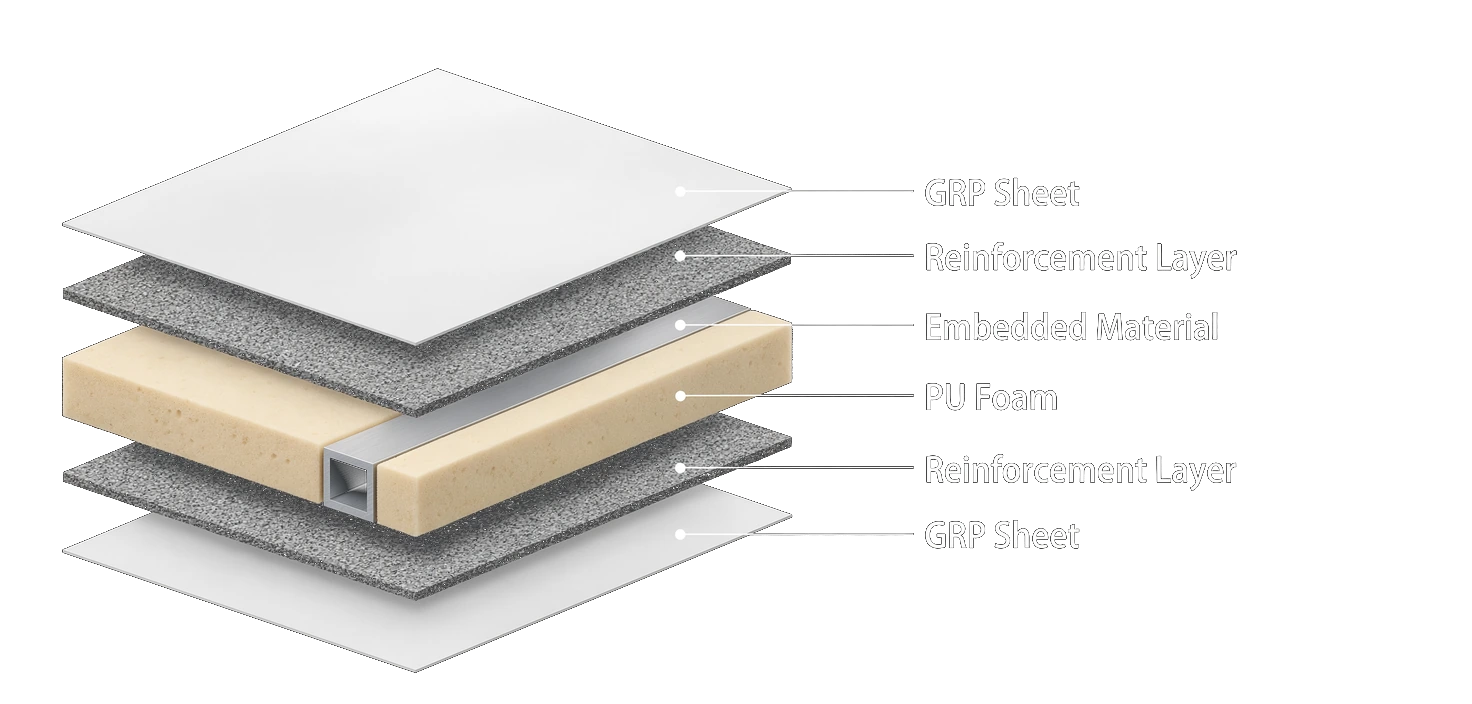
Every extra foot of body adds weight, and that weight comes straight off your payload. Our dry freight bodies run from approximately 780 kg at 10 ft up to about 1,700 kg at 20 ft. Refrigerated bodies are heavier - roughly 940 kg to 2,050 kg across the same lengths - because of the insulation. When you compare a 14 ft body against a 20 ft body, you are not just comparing floor space; you are comparing several hundred kilograms of tare weight that you will carry on every trip for the life of the truck.
Match the body to the chassis
The chassis sets the envelope. Wheelbase and gross vehicle weight rating decide how much body the truck can carry safely and legally, and a body that is too long for its chassis handles poorly and looks wrong doing it. A body that is too short wastes chassis you are already paying for. This is worth a conversation before you order: tell the manufacturer your chassis and your freight, and let them confirm the fit rather than guessing from a brochure.
Think about where the truck works
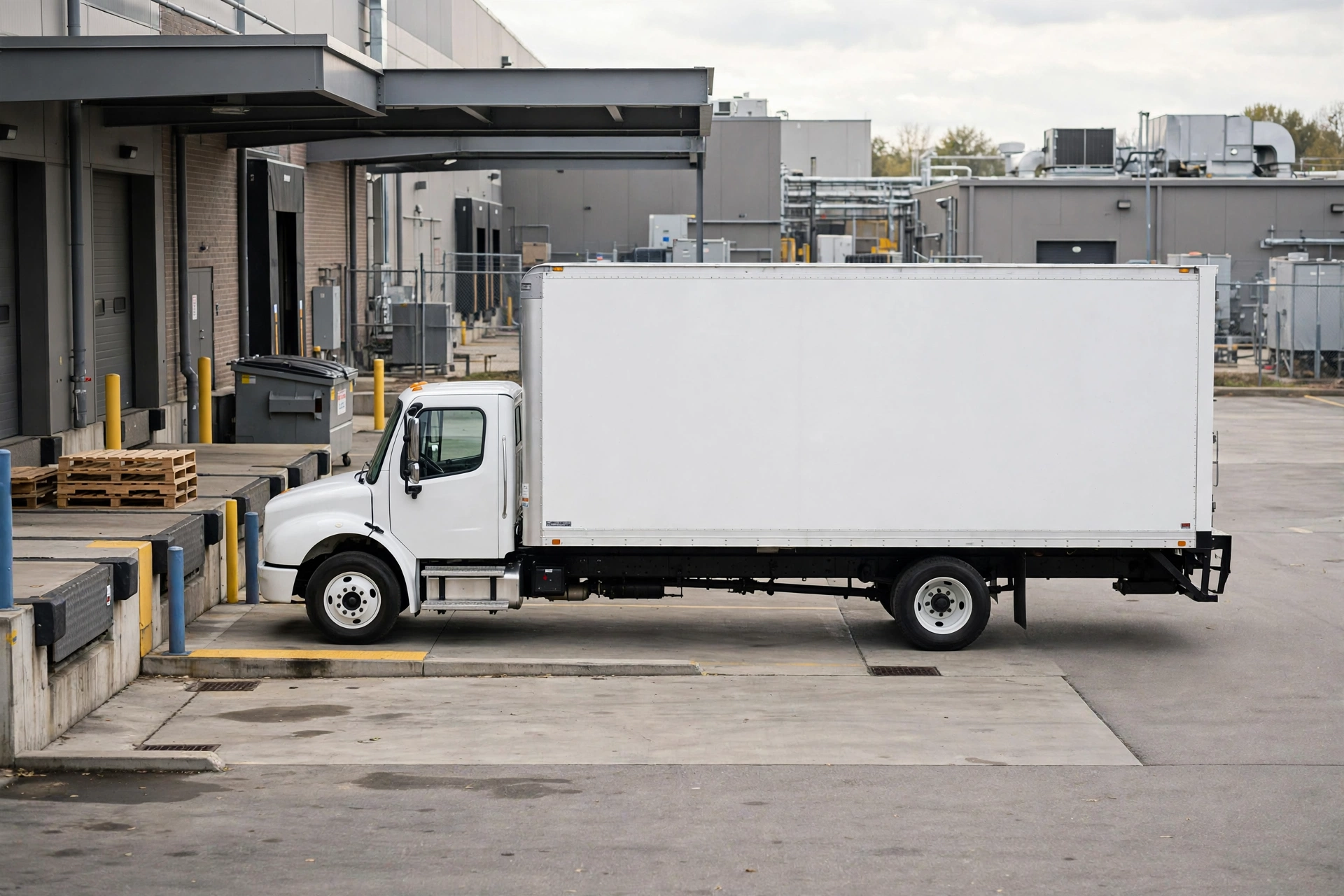
Routes matter as much as freight. Tight urban multi-stop work - downtown deliveries, alleys, small lots - favours shorter bodies that turn and park easily. Linehaul and regional distribution reward longer bodies that maximize cube per trip. If the truck backs into the same loading docks every day, measure the dock approach too; the longest body in the world is no good if it cannot get into your own yard.
A rough guide by length
10 to 12 ft: nimble urban bodies for tight routes and lighter commercial chassis. Easy to park, easy to load at street level.
14 to 16 ft: the versatile middle. Enough cube for serious delivery work without giving up maneuverability - the most common choice for general freight fleets.
18 to 20 ft: maximum cube for linehaul and high-volume routes, where the truck runs full and every pallet position earns its keep.
Talk to the builder before you spec
Body length is hard to change after the fact, so it pays to get it right the first time. At Evermount Truck Solutions in Abbotsford, BC, we manufacture dry freight and refrigerated bodies from 10 to 20 ft, and we will walk through your freight, your chassis, and your routes before recommending a length. Call sales at +1 (250) 885-9335 or email sales@evermount.ca - tell us what you haul and where you run.