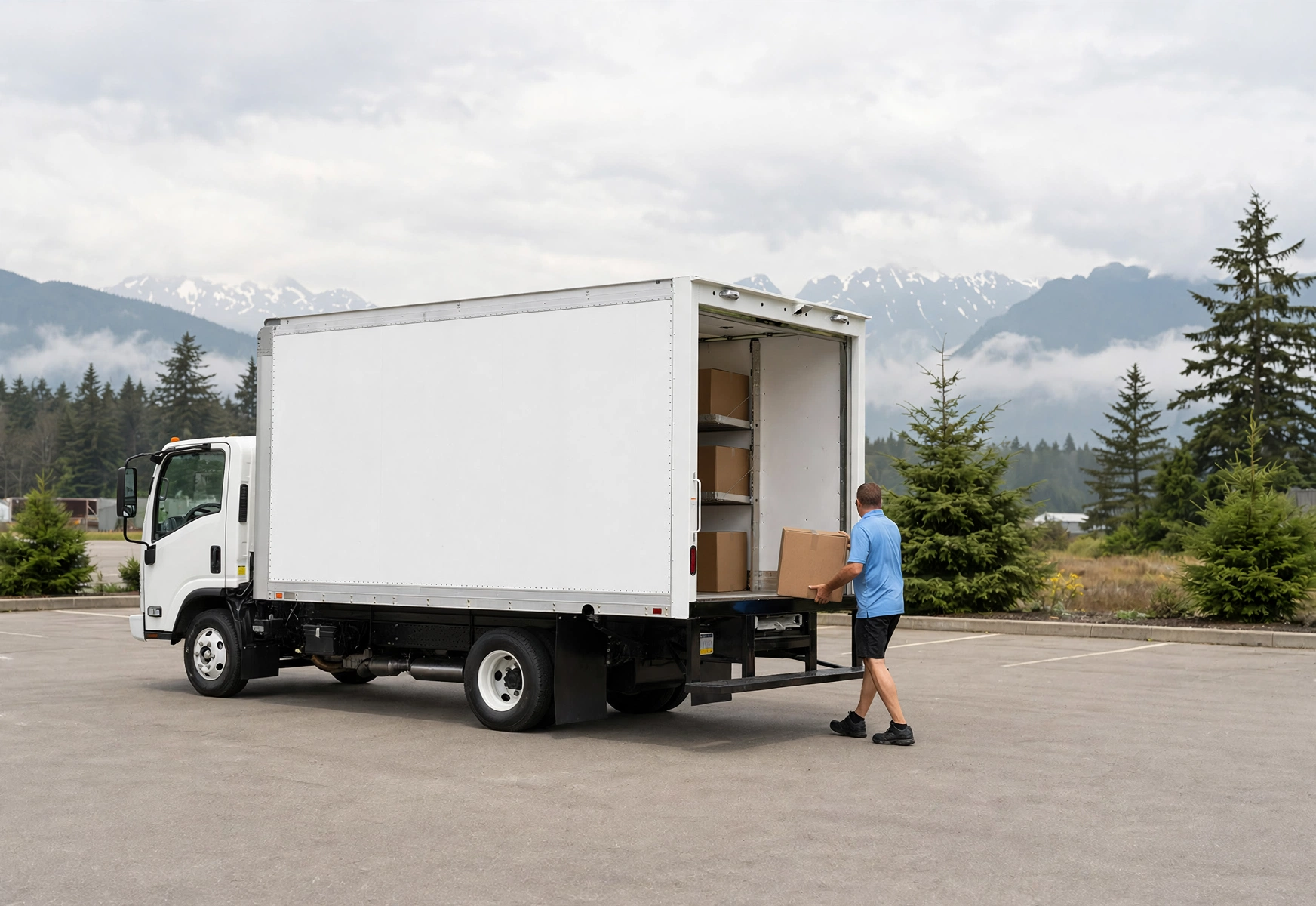
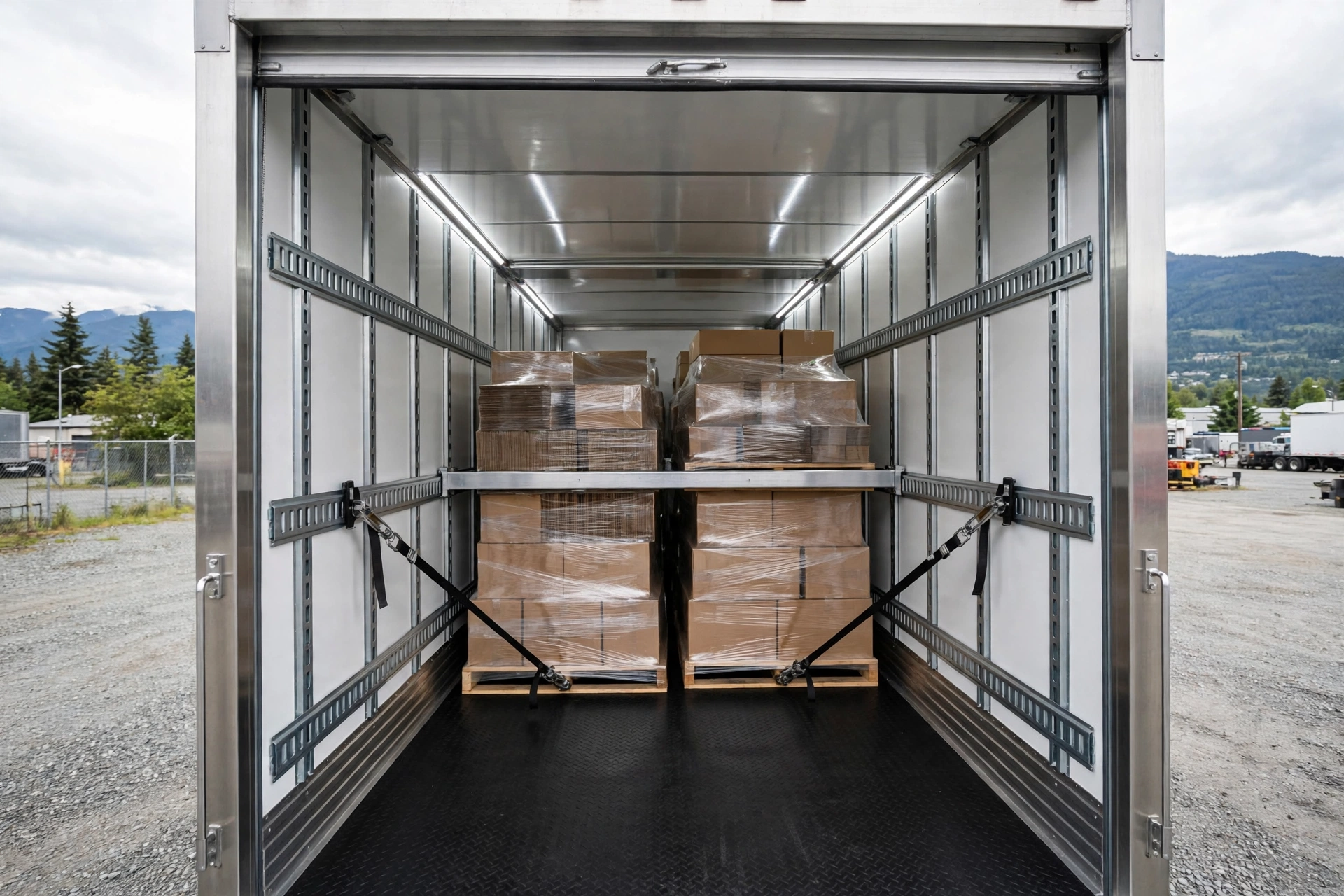
A load that arrives damaged costs more than the freight. It costs a redelivery, a claim, and sometimes a customer. Most of that damage does not come from rough roads. It comes from freight that was never properly secured — a pallet that shifted on a corner, a stack that leaned through a day of stops. Cargo control is the unglamorous part of running a dry box, and it protects everything else in the truck. Here is a plain look at how E-track works, and how to use it well on BC routes.
What E-track does for a dry box
E-track is a steel rail fitted inside the body with anchor slots along its length. Straps, load bars, and other cargo-control fittings clip into those slots, so you can secure a load where it actually sits — not just at the nearest fixed tie-down, and not with a strap stretched across half the box. Freight is rarely the same shape twice: one day full pallets, the next a half load of mixed cartons. With E-track, the anchor points move with the load.
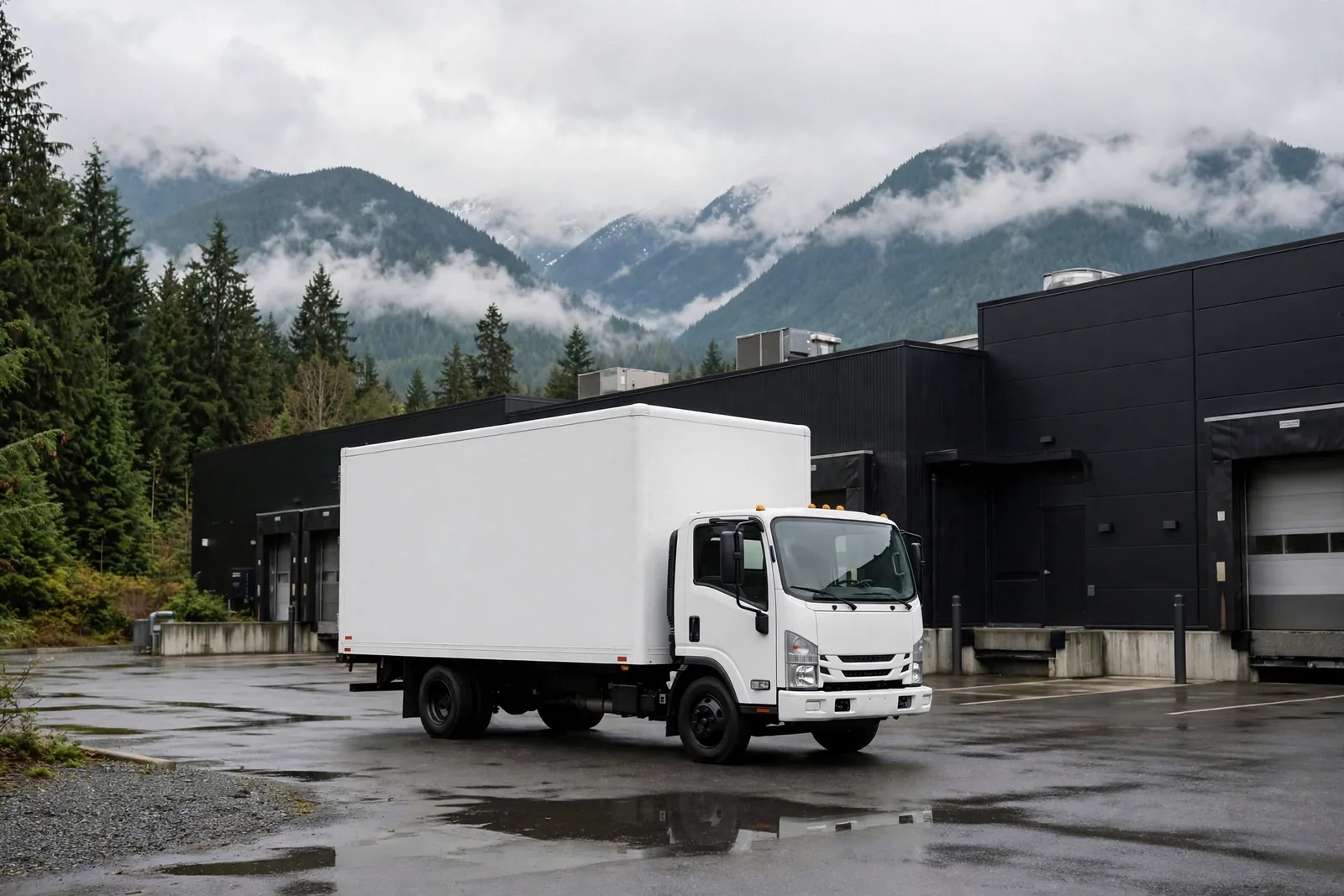
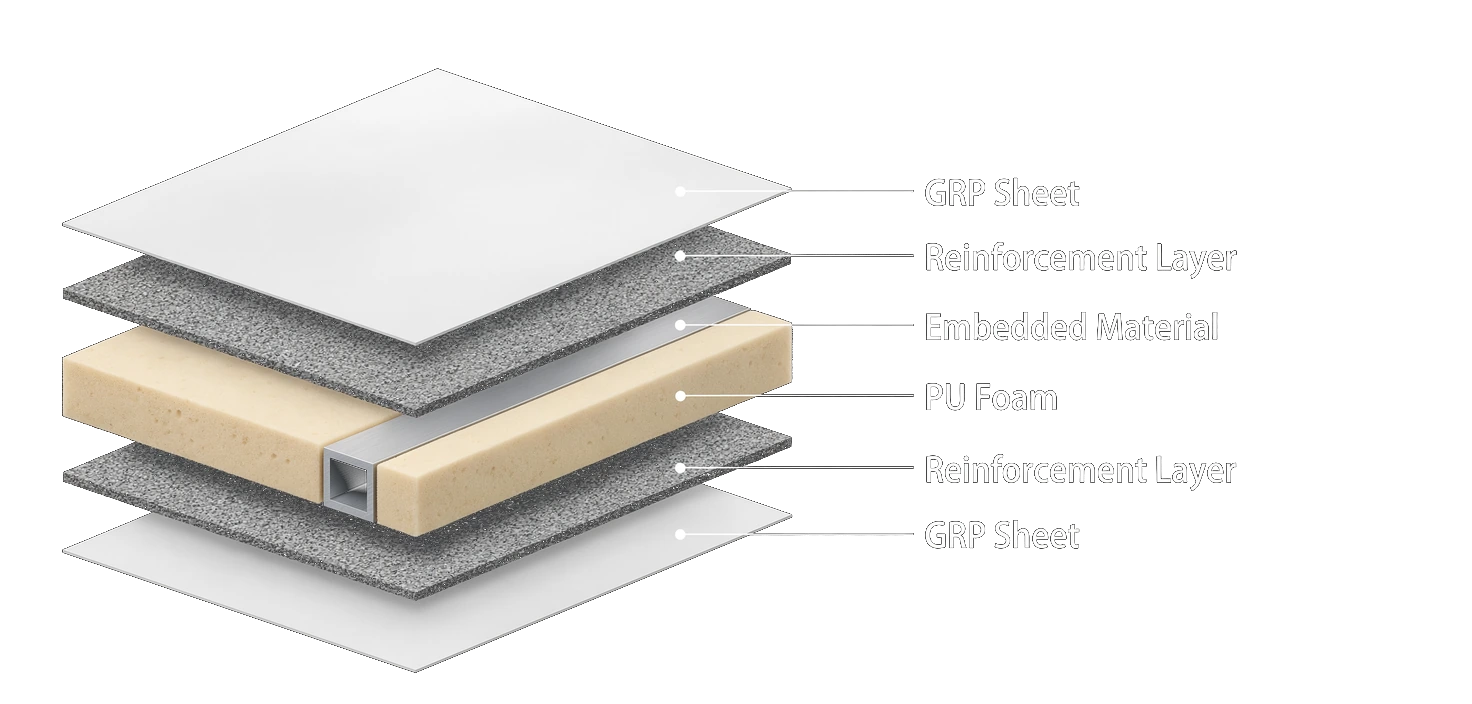
Every dry freight body Evermount manufactures includes E-track, alongside the standard dry box build: 30 mm GRP sandwich panels, a marine plywood floor with an anti-slip GRP top layer, a roll-up rear door, and a galvanized bolted sub-frame.
Plan the load before the first strap goes on
Good cargo control starts before anything is tied down. Load heavy items low, spread weight across the floor, and leave no empty space beside a tall stack that lets it lean on the first corner.
Think about unloading order too. On a multi-stop route, the freight coming off first should be reachable without unstrapping everything else.
Straps, bars, and the habit that matters
The fittings are simple: straps that clip into the E-track slots, and load bars that span the box to hold a load in place or create a deck for a second layer. What matters is using them every time — including short runs, where shifting happens because nobody expects a problem ten minutes from the yard.
- Strap the load to the track, not to itself. A strap looped around a stack with no anchor just holds the stack together while it slides as one piece.
- Secure in more than one direction — freight moves forward under braking and sideways on corners. One strap across the top stops none of that alone.
- Fill gaps. A load bar or filler pallet in an empty gap is often worth more than another strap.
- Check the strap before you trust it. A frayed strap or clip that does not seat cleanly may not hold when needed. Replace it at the yard, not the roadside.
None of this requires expensive gear — just gear in the truck, in working order, used as routine.
Protect the box while you protect the load
Unsecured freight damages the body too: a sliding pallet gouges the floor, a toppling stack dents a wall panel. Over a year of routes, that adds up to floor and panel work a secured load would have avoided.
The rest of the build helps: the anti-slip floor gives grip while loading, and the motion-sensor LED lighting lets drivers see what they are securing on early and late loads instead of strapping by feel in the dark. When a fitting wears out or a track section is damaged, cargo control parts can be replaced through our shop.
Inspect cargo control like any other part of the truck
E-track and fittings wear, and wear is easy to miss because the track usually looks fine from the doorway. Build a quick check into regular maintenance: clip a fitting into several slots and look for bent sections, damaged slots, and fittings that no longer seat firmly. Check straps for fraying and load bars for bent ends. If a track section is damaged, do not run a full load against that anchor until it is fixed — a load on a damaged anchor is barely secured at all.
Spec it for the freight you actually haul
When we build a dry freight body for a fleet operator or dealer, cargo control is part of the spec conversation, not an afterthought. What you haul, how it is palletized, and how many stops a route has all shape the setup — in 10 to 20 ft body lengths.
If your dry box needs cargo control parts, track repairs, or a look at the floor and walls after a year of hard loads, talk to us at sales@evermount.ca. Our Abbotsford repair and service shop handles dry freight bodies, including bodies built by other manufacturers. Secure the load, and the load stops being the thing that damages everything else.